

20 Questions to Ask a Child Therapist: Finding the Right Fit for Your Family in 2026
Updated: 3 days ago
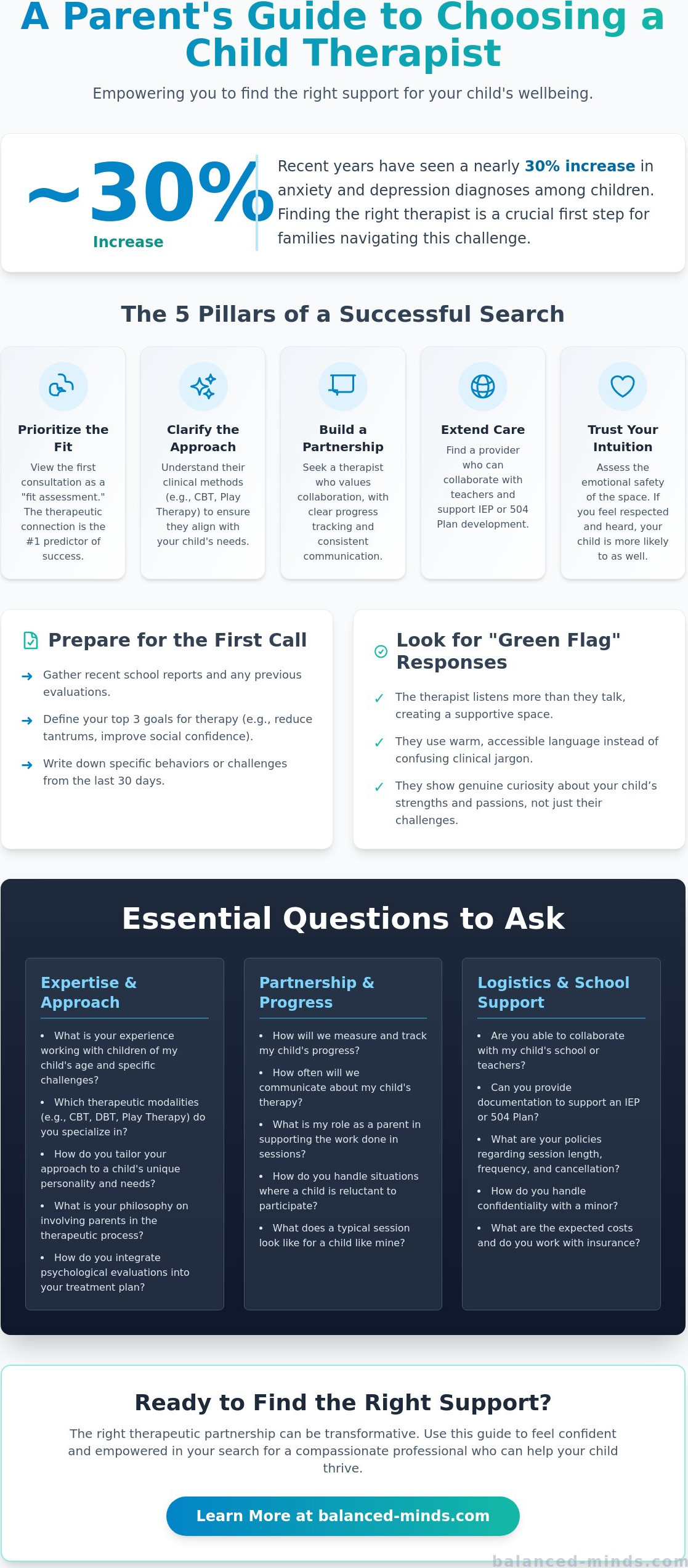
Did you know that diagnoses of anxiety and depression among children have increased by nearly 30% in recent years? This statistic reflects a universal challenge that many of our families are navigating with a mix of hope and concern. We understand the quiet weight you carry when searching for the right support, and knowing the right questions to ask a child therapist is the first step in easing that burden. It is natural to worry about your child's willingness to engage or to feel overwhelmed by clinical terms like CBT and Play Therapy. You deserve a clear path forward, not a confusing maze of jargon that makes you feel like an outsider in your own child's care.
We believe that the most effective healing happens when parents are empowered as true partners in the therapeutic journey. By preparing for your initial consultations, you can move beyond the uncertainty and find a professional who truly resonates with your child's unique spirit. This guide provides a professional framework to help you evaluate a therapist's clinical expertise and their understanding of the Florida school system. We will share twenty essential inquiries designed to ensure your family finds a steady, compassionate guide who can build a clear plan for your child’s progress and lasting wellbeing.
Key Takeaways
Shift your perspective on the initial consultation by viewing it as a gentle "fit assessment" where you prioritize the therapeutic connection as the foundation for your child's success.
Learn how to use essential questions to ask a child therapist to clarify their clinical approach, ensuring their use of evidence-based modalities aligns with your child's unique emotional needs.
Discover how to build a collaborative partnership framework that includes clear progress tracking and consistent communication to keep your family at the heart of the healing journey.
Explore how a therapist can extend their care beyond the office by collaborating with teachers and providing documentation to support your child’s IEP or 504 Plan development.
Learn to trust your intuition by assessing the emotional safety of the therapeutic environment, ensuring the space feels truly welcoming and restorative for your child.
Table of Contents
The Consultation Mindset: Why the First Interview is Critical
We often approach the first meeting with a therapist with a sense of quiet trepidation, wondering if our child will be "fixed" or if we'll be judged for the struggles our family is facing. It's helpful to reframe this initial interaction as a fit assessment rather than a formal diagnostic session. This is your opportunity to interview the professional to see if they resonate with your family's values and your child's unique personality. Knowing which questions to ask a child therapist helps you reclaim your agency during a time that often feels out of your control. While degrees and certifications are certainly vital, clinical research consistently shows that the therapeutic alliance is the most significant predictor of positive outcomes. The quality of the relationship between the therapist and your child matters more than any single clinical technique.
When you prepare your list of questions to ask a child therapist, remember that you're the foremost expert on your own child. A specialized child psychologist st petersburg fl doesn't just look at a list of symptoms or a specific diagnosis. Instead, they look at the whole child, considering their environment, school life, and unique temperament. By gaining a foundational Understanding Child Psychotherapy, you can better appreciate how different clinical approaches might support your child's growth. Trust your clinical gut feeling during this first interaction. If you feel heard, respected, and safe, it's likely your child will feel that sense of security as well.
Preparing for the Call
Before you pick up the phone, take a few moments to gather your thoughts in a quiet space. It's helpful to have your child’s recent school reports or previous evaluations nearby so you don't have to rely on memory alone. We suggest defining your top three goals for seeking therapy, such as reducing evening tantrums, improving social confidence, or managing school anxiety. Write down specific behaviors that have occurred in the last 30 days to provide the therapist with a clear, current picture of your daily life.
What a "Green Flag" Response Looks Like
During the intake, notice how the therapist engages with your story. A "green flag" professional will listen more than they talk, creating a supportive space for your concerns to unfold. They should use accessible, warm language rather than hidebound clinical jargon that leaves you feeling confused or alienated. Most importantly, they'll express a genuine curiosity about your child’s strengths and passions, not just the "problems" that brought you to their office. This balanced focus is essential for building a restorative therapeutic environment.
Evaluating Clinical Fit: Questions About Expertise and Approach
Finding a professional who possesses the right clinical tools is about more than just checking boxes on a resume. When you're considering various questions to ask a child therapist, it's vital to understand how their specific experience aligns with your child's developmental stage. A therapist who excels with toddlers through play may have a completely different approach than one who specializes in supporting adolescents through complex social anxiety. We encourage you to ask about their experience with evidence-based modalities like Cognitive Behavioral Therapy (CBT) or Dialectical Behavior Therapy (DBT), as these frameworks provide a structured path toward healing. Research from sources like PinnacleCare highlights several Key questions for choosing a therapist that can help you discern if their background matches your family's needs.
One area often overlooked in the search for care is the bridge between assessment and treatment. We believe that comprehensive psychological evaluations shouldn't just be a one-time event; they should serve as a living roadmap for your child's therapy. Ask the therapist if they have specialized training in pediatric neuropsychology or executive functioning, as this expertise allows them to see the biological "why" behind certain behaviors. This is particularly important if you suspect your child struggles with neurodevelopmental differences rather than purely emotional ones. According to current data, one in five children aged 3 to 17 in the U.S. has a diagnosable mental or developmental disorder, which underscores the importance of a precise, expert approach.
Understanding Their Therapeutic Modality
It's helpful to demystify the process by asking: "Can you explain your approach to me as if I were a five-year-old?" This ensures the therapist can communicate complex ideas in a way that feels accessible and safe for your child. Inquire about the balance they strike between traditional talk therapy and hands-on skill-building activities. For older children and teenagers who need help managing life's logistics, you might ask if they offer specialized ADHD coaching to build practical executive functioning skills. This level of specificity helps you understand exactly what a typical session will look like.
The Role of Testing and Diagnosis
A formal diagnosis can feel heavy, but it often serves as a key that unlocks the right resources. Ask how the therapist distinguishes between a behavioral issue and a deeper neurodevelopmental challenge. You should also inquire if they can perform in-house testing for giftedness or learning disabilities. Another essential question to ask a child therapist is: "How will a formal diagnosis change the way you work with my child?" Understanding how they incorporate results from evaluations into the treatment plan helps you feel like a prepared partner. If you're seeking clarity for your child's path, we offer comprehensive psychological evaluations to guide your family's next steps.
The Partnership Framework: Communication and Progress Tracking
We believe therapy is a collaborative journey, not a drop-off service. One of the most important questions to ask a child therapist involves the frequency of family meetings and how you will be kept in the loop regarding your child's emotional development. It's vital to understand the therapist's policy on communication between sessions, whether they prefer secure portals, email, or phone calls for urgent updates. By defining these boundaries early, you create a structured environment where everyone knows what to expect, reducing the anxiety that often accompanies the start of treatment. You are a vital partner in this process, and your insights into your child's daily life are invaluable to the therapeutic work.
Measuring success is equally critical for maintaining a sense of hope and direction. We encourage you to ask how the therapist defines "success" and when you will collectively review these metrics to ensure your child is moving toward their goals. For families with teenagers, this conversation becomes even more nuanced. Since 30% of high school students reported poor mental health in 2023, the need for a safe, confidential space is paramount for adolescent growth. You should ask the therapist how they balance your teen's need for privacy with your need to know they are safe. This transparency helps build trust between all parties, ensuring the teen feels respected while you feel informed and supported.
Setting Expectations for Parental Involvement
Healing doesn't stop when the session ends; it continues in the quiet moments at home. Ask your provider what kind of strategies or homework you'll be expected to implement to reinforce the work done in the office. Sometimes, a child's struggle is a reflection of broader household stress, and you may want to inquire about parent-only sessions or family therapy near me to address these dynamics together. This collaborative approach ensures that the home environment becomes a restorative extension of the therapeutic space, fostering growth for the entire family.
Tracking Milestones and Goals
Success in therapy isn't always a straight line, and it's helpful to have a realistic timeline for change. When considering your final list of questions to ask a child therapist, inquire about what happens if you hit a plateau in progress. We suggest asking what specific data or observations you should track between sessions to help the therapist stay informed. Whether it's the frequency of school-related anxiety or a slight improvement in social engagement, these observations provide the evidence-based metrics needed to review and adjust the treatment plan during your regular check-ins.
Beyond the Office: Questions About School Support and Coordination
A child's world is largely defined by the hours they spend in the classroom, making the school environment a critical component of their therapeutic success. When you're refining your list of questions to ask a child therapist, it's essential to look beyond the clinical office walls. You should ask if the professional is willing to collaborate with your child’s teacher or school counselor, as these educators see your child in social and academic settings that a therapist might not witness in a private session. In Florida, navigating the specific requirements of the Pinellas County or Hillsborough County school systems can be complex. A therapist who understands these local landscapes can be a powerful ally in ensuring your child's needs are met throughout the school day.
One of the most practical questions to ask a child therapist is whether they can provide the necessary documentation or attend meetings for Individualized Education Program (IEP) or 504 Plan development. These legal frameworks are vital for children who require accommodations to thrive academically. Some therapists even provide "school observations," where they visit the classroom to see how a child functions in their natural environment. This first-hand data is often the missing piece in a comprehensive treatment plan, allowing the therapist to offer strategies that are grounded in real-world challenges rather than just office-based conversations.
Advocating Within the Florida School System
Ask if they can help translate clinical findings into actionable classroom accommodations. For example, if your child has undergone gifted testing in Pinellas County, a therapist can help you understand how that high cognitive potential might interact with emotional sensitivities. You'll want to ask: "How do we ensure the school is reinforcing the skills we're learning in therapy?" This ensures that the progress made during sessions isn't lost the moment your child steps onto the school bus. It's about creating a seamless bridge between the clinic and the classroom.
Coordinating with Other Professionals
The path to wellbeing is often a collective effort involving multiple experts. Inquire if the therapist is open to speaking with your child’s pediatrician to discuss medical concerns or developmental milestones. You should also verify their process for signing "Release of Information" (ROI) forms to facilitate coordination with speech therapists, occupational therapists, or outside tutors. This holistic approach ensures that everyone on your child's support team is speaking the same language and working toward the same goals. If you're ready to build this supportive network for your family, our comprehensive psychological evaluations can provide the detailed roadmap you need to advocate effectively.
Trusting Your Intuition: Making the Final Decision
Once you have gathered the clinical facts and technical details, we invite you to pause and reflect on the emotional resonance of your conversation. While credentials and specialized training provide the necessary foundation for care, the "vibe" or energetic connection you feel with a professional is often the most telling indicator of future success. Ask yourself if you felt truly empowered and respected during the interaction, or if there was a lingering sense of being judged for your family's struggles. A restorative therapeutic relationship requires a high degree of psychological safety for both you and your child, and this begins with that very first impression. If you are seeking support for multiple children, you may also want to confirm their specific approach to individual therapy for adolescents to ensure they can meet the varying developmental needs within your household.
Practicality and environment also play a subtle yet significant role in the healing process. Whether you are visiting a physical office or meeting via a telehealth platform, consider if the space feels genuinely welcoming and regulated for a child. A cold, overly clinical environment can inadvertently raise a child's defenses, while a warm, thoughtful space invites them to open up. Beyond the aesthetics, review the practicalities of their practice to see if their availability aligns with your family’s hectic schedule. Consistency is a vital ingredient in therapeutic progress, so finding a provider whose hours naturally fit into your life will reduce the stress of maintaining long-term care.
Logistics and Sustainability
We understand that life in Florida often comes with unpredictable elements, from sudden afternoon thunderstorms to seasonal illnesses. It's helpful to ask about the therapist's cancellation policy and how they handle genuine emergencies between scheduled visits. Inquire about telehealth options as a flexible alternative for those rainy days or when your child is mildly ill but still capable of engaging. If you are using insurance, verify if they are an out-of-network provider and if they can provide "superbills" for your reimbursement. These logistical questions to ask a child therapist ensure that the financial and scheduling aspects of care remain sustainable for your family.
The Final "Gut Check"
Before making your final choice, we encourage you to perform a simple "gut check" based on your intuition. Ask yourself: "Can I see myself being honest and vulnerable with this person as we navigate my child's growth?" Consider your child’s reaction during the initial meeting; even if they were naturally nervous, was the therapist able to build a small, gentle bridge of rapport? We suggest writing a single sentence that captures your feelings about why this therapist is, or isn't, the right guide for your family’s journey. Trusting this inner wisdom, combined with the professional framework you’ve built, will lead you to the compassionate care your child deserves.
Empowering Your Child’s Path to Wellbeing
Finding the right support is a journey of both the heart and the mind. By preparing your list of questions to ask a child therapist, you've already taken a courageous step toward creating a clear, compassionate plan for your child's growth. We've explored how a strong therapeutic alliance, coupled with an understanding of the Florida school system, ensures that care extends far beyond the office walls. You're not just looking for a clinician; you're seeking a partner who sees your child’s unique strengths and potential.
We offer comprehensive in-house testing for ADHD, Giftedness, and Learning Disabilities to provide the clinical clarity your family needs. Whether you're navigating school-based accommodations or seeking restorative individual therapy, we're here to offer a steady, guiding presence for your family's journey. You don't have to walk this path alone. Schedule a consultation with our St. Petersburg child specialists today. Your child’s path to healing and personal development starts with a single, hopeful conversation.
Frequently Asked Questions
How do I know if my child actually needs therapy or if it is just a phase?
We suggest looking at the intensity, duration, and impact of the behavior on your child's daily life. If a struggle lasts more than a few weeks or prevents them from attending school, making friends, or enjoying hobbies, it's a sign that professional support may be beneficial. While many challenges are developmental, a consultation helps us determine if your child needs extra tools to navigate their current path safely.
What is the difference between a child psychologist and a licensed counselor?
Child psychologists typically hold doctoral degrees and possess specialized training in performing comprehensive psychological evaluations and complex diagnostic testing. Licensed counselors, such as LCSWs or LMHCs, focus primarily on providing therapeutic interventions and emotional support through various talk or play-based modalities. Both professionals are vital members of a care team, but a psychologist is often the right choice when you need deep diagnostic clarity for neurodevelopmental concerns.
How long does a typical course of child therapy last?
The duration of treatment is highly individualized, but many families begin to see meaningful shifts in behavior within 12 to 20 sessions. Some children benefit from short-term, solution-focused work to handle a specific transition, while others thrive with longer-term support for complex emotional needs. We believe in reviewing progress regularly to ensure the timeline remains restorative and aligned with your family's unique goals for wellbeing.
Can I stay in the room during my child’s therapy session?
Your involvement depends largely on your child’s age and the specific therapeutic goals we are working toward together. For younger children, we often include parents in play therapy to strengthen the attachment bond and model supportive strategies. For adolescents, private sessions are common to foster a sense of independence and safety, though we always schedule separate family check-ins to ensure you remain an active partner in the process.
What if my child refuses to talk to the therapist?
Therapists are expertly trained to build rapport through non-verbal avenues like art, music, or interactive play. It's completely normal for a child to feel hesitant at first, and a skilled professional knows how to create a low-pressure environment where silence is respected. We view these moments as an opportunity to build trust, showing your child that therapy is a safe space where they don't have to "perform" to be heard.
How do I explain to my child what a therapist is?
We recommend describing a therapist as a "feelings teacher" or a "special helper" who helps kids understand their big emotions. You might tell them, "Just like a coach helps you get better at soccer, this person helps us learn how to handle worries or frustrations so our whole family feels happier." Using simple, age-appropriate metaphors helps to de-stigmatize the experience and makes the first visit feel like a positive, helpful adventure.
Is child therapy covered by insurance in Florida?
Many Florida health plans provide coverage for mental health services under the Mental Health Parity and Addiction Equity Act. We encourage you to review your specific benefits summary and Notice of Privacy Practices to understand your out-of-pocket responsibilities. While many private practices function as out-of-network providers, they can often provide "superbills" that allow you to seek reimbursement directly from your insurance company, making specialized care more attainable for your family.
How often should we attend sessions for the best results?
Weekly sessions are generally recommended at the start of care to build a strong therapeutic alliance and maintain momentum. As your child gains confidence and masters new coping skills, we may transition to bi-weekly or monthly maintenance visits. Determining the right frequency is one of the essential questions to ask a child therapist during your initial fit assessment to ensure the rhythm of care supports your child's steady progress.


